



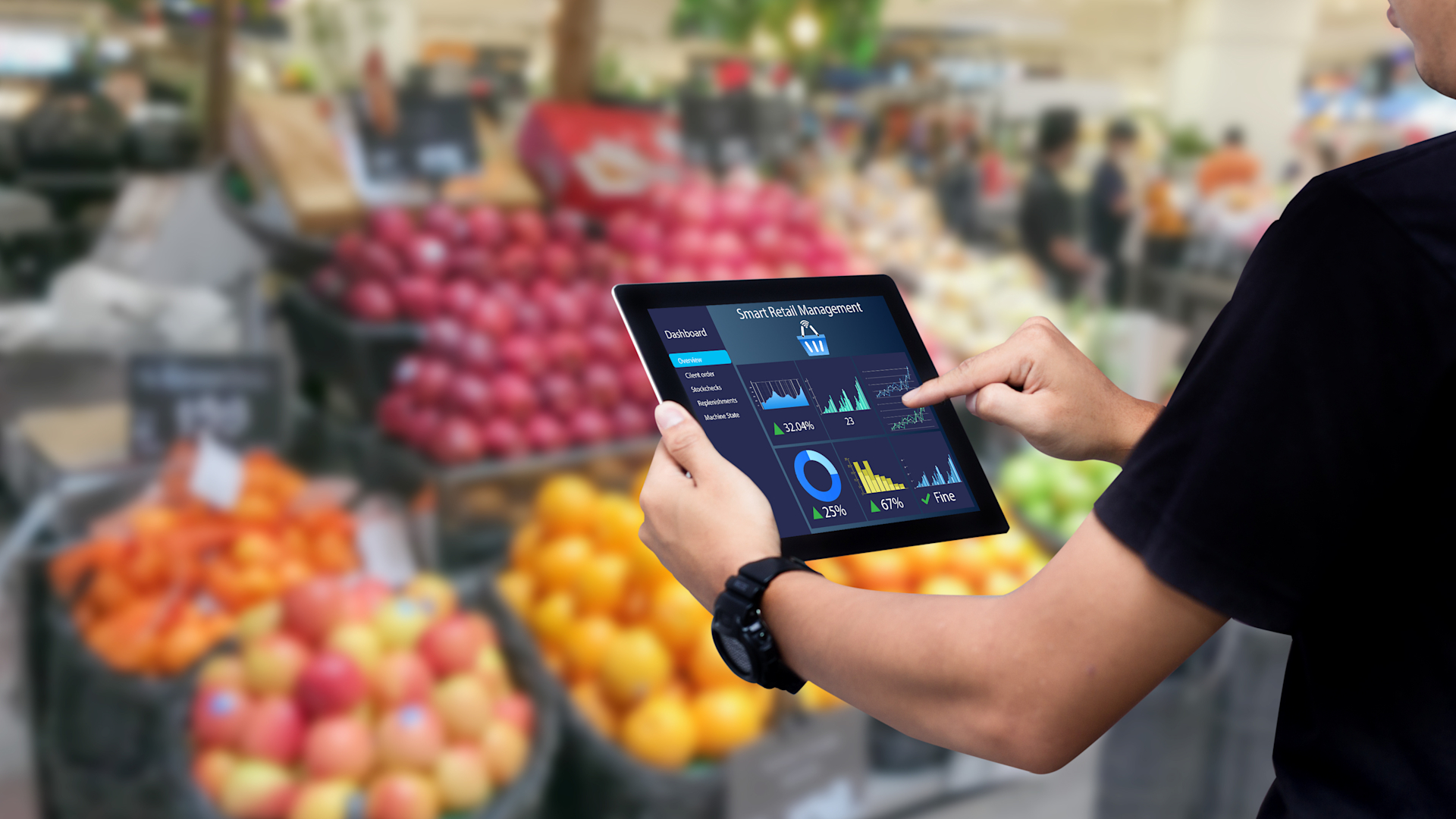

As retail businesses expand across digital and physical channels, ensuring consistent quality across e-commerce, mobile, and in-store systems becomes increasingly complex. A leading Australian retailer set out to modernize its quality practices to support rapid digital growth, high transaction volumes, and frequent releases.
The objective was to move from fragmented QA processes to a scalable, automation-led Quality Engineering (QE) model. By embedding continuous testing, standardizing frameworks, and improving release governance, the organization enabled faster releases, improved reliability, and stronger alignment between IT delivery and business outcomes.
Transformation Timeline
Transitioned from fragmented QA to unified QE operating model
Drag
The Challenge
The retailer operated a large-scale omnichannel ecosystem but faced inconsistencies in quality practices across teams. Fragmented delivery models resulted in varying QA standards, limiting efficiency and scalability.
Automation coverage was limited, with heavy reliance on manual testing, leading to increased effort and slower release cycles. Unstable test environments and high regression overhead further delayed releases and impacted predictability.
Additionally, the absence of centralized environment booking and release visibility created inefficiencies in planning and execution. High tooling overhead and lack of governance further slowed delivery and increased operational complexity.
Without transformation, these challenges risked impacting release velocity, system reliability, and overall customer experience.

Our Approach
Delivered a unified QE transformation that improved automation, accelerated releases, and strengthened governance across the omnichannel ecosystem.
Unified QE Operating Model
Executed a zero-cost transition from incumbent vendors to a centralized QE model, standardizing delivery practices and improving consistency across teams.
Standardized Automation Frameworks
Established enterprise-wide automation frameworks across UI, API, mobile, and Salesforce testing to improve coverage and execution efficiency.
Enabled Continuous Testing
Integrated end-to-end automation into CI/CD pipelines to support continuous testing and faster, more reliable releases.
Centralized Environment Management
Implemented centralized environment booking and release management to improve utilization, visibility, and planning efficiency.
Optimized Tooling & Infrastructure
Rationalized tools and introduced a mobile device farm to enable scalable and efficient execution across testing environments.
Partner & Technology Ecosystem
The engagement was delivered using Coforge’s AI-led engineering capabilities and cloud-native delivery framework.

Impact to Date
<90
$1M+
Zero P1
Reduced Environment
Business Impact
- Improved release velocity and delivery predictability across channels
- Reduced manual effort through automation-led testing
- Enhanced system stability and reduced production risks
- Improved environment utilization and release visibility
- Streamlined tooling landscape and reduced operational overhead
- Enabled business-aligned IT delivery and faster innovation
Looking Ahead
With a scalable QE model and continuous testing framework in place, the organization is well-positioned to accelerate omnichannel innovation, enhance customer experiences, and sustain high-quality delivery at scale.
Value Delivered
-
Scalable QE Foundation
Established a unified QE model designed to support high-volume, omnichannel retail operations.
-
Automation-Led Efficiency
Enabled continuous testing and faster releases through standardized automation frameworks.
-
Operational Efficiency Gains
Reduced costs and improved execution through tooling rationalization and optimized environments.
-
Improved Quality & Reliability
Ensured stable, high-performing systems across digital and in-store platforms.
